
You may think raising an OpenClaw means “using an AI Agent.”
In practice, you are doing a lot of software development, designing how the system should operate, and constantly dividing work between people and Agents.

On the first day, the idea is usually simple: “Just tell it to do the work for me.”
But you quickly discover that reliable output is not that simple. You first need to understand what it can read, which skill it will use, and which missing dependencies it will not automatically install for you.
From “Using” It to Configuring It
To make an Agent work well, you often have to design the work environment first: copy the skills it needs, install dependencies, decide whether to use Playwright or Puppeteer, and give it a clean project directory so state files do not end up scattered everywhere.
At that point, you are no longer just issuing instructions. You are designing an environment that can actually operate.
An AI Agent’s capability matters, but the environment determines whether that capability can be delivered reliably. A missing package, missing context, or a messy workspace can make an otherwise simple task fail.
Once Real Work Starts, You Are Doing Product Acceptance
A presentation is never finished in one shot just because you told the Agent to make it.
You have to go back and forth: “Switch to a Swiss magazine style,” “I prefer version B,” “Use A’s structure on this slide.”
That is not wish-making. It is product acceptance.
An Agent can quickly generate a first draft, reorganize content, and adjust the visual direction, but someone still has to decide which version is right. You do not need to execute every detail yourself, but you do need to state the goal clearly, recognize quality, and make decisions at the right moments.
Behind the Conversation Is a Chain of Engineering Work
The moments that feel most like engineering are when it starts writing its own scripts: rendering, taking screenshots, packaging PPTX files, and generating HTML.
On the surface, you are having a conversation. Behind the scenes, it is repeatedly running node, playwright, build tools, and file-processing workflows.
What you are raising is not a chatbot that only answers questions. It is a small team that can write programs and execute processes on its own. Once it has the right tools, clear constraints, and repeatable workflows, its output speed begins to resemble a real engineering team.
Division of Labor Is Not a Metaphor. It Is a Sprint.
So “division of labor” is not just a metaphor.
You decide the style, provide images, and choose the better version. It breaks down the structure, writes scripts, runs renders, and manages state files.
You are running a sprint together, except each sprint can finish in minutes.
The most interesting part of this way of working is that human value does not disappear. It moves to higher-leverage work: from repetitive execution to defining the problem, and from manual production to acceptance and decision-making.
The Barrier to OpenClaw Is Becoming a Product Owner Who Knows Some Code
I would say the real barrier to raising OpenClaw is not whether you know how to write prompts.
It is whether you are willing to step in and become the “product owner who knows some code.”
If you are not, it easily remains a toy: sometimes impressive, sometimes surprising, but hard to trust. If you spend time designing the environment, calibrating the workflow, and establishing acceptance criteria, it starts to behave like a team.
You Are Not Buying an Assistant. You Are Buying a Small Software Company.
The words “AI Agent” mislead a lot of people.
The reality is that you are not buying an assistant. You are buying a small software company where you are the only boss.
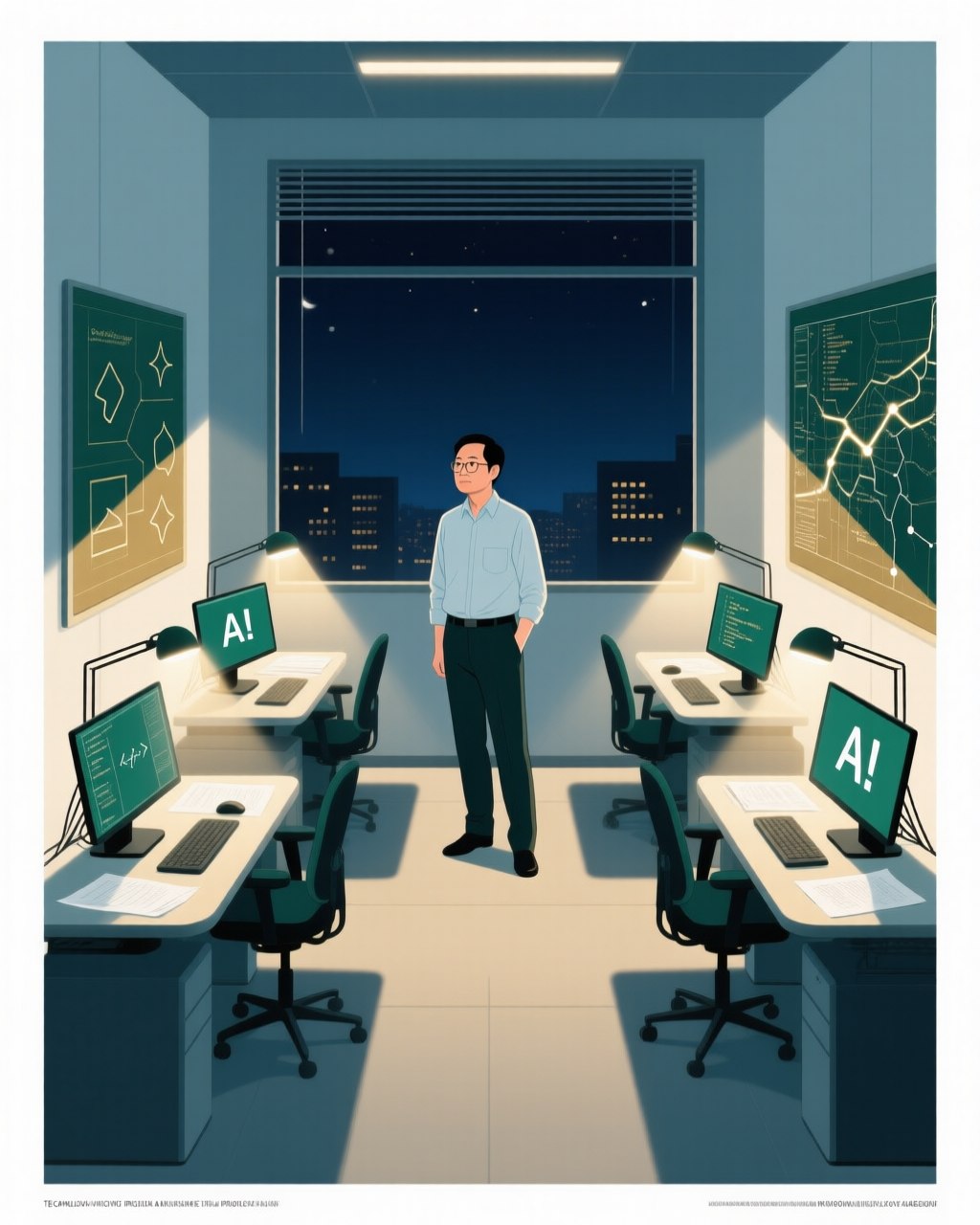
It can have different roles for development, design, research, and operations. But you are still the person who sets direction, establishes standards, and takes responsibility for the outcome.
Once you accept that role, an AI Agent stops being merely a tool that can chat and becomes a system that can actually move work forward.